
Keyword research is the foundation of SEO. Without the right keywords, your content won’t reach the right audience. Whether you’re a beginner learning SEO basics or an expert refining advanced strategies, this keyword research checklist will help you find, organize, and optimize keywords that drive traffic and improve rankings.
Let’s dive into the step-by-step keyword research process, including types of keywords, tools, and best practices.
Table of Contents
ToggleStep 1: Understand Your Audience
Before opening any keyword tool:
1. Who is your target audience?
2. What problems are they trying to solve?
3. What words do they use while searching online?

Step 2: Brainstorm Seed Keywords
Seed keywords are the basic terms related to your niche, e.g.
Niche: Digital Marketing
Seed Keywords: SEO, Keyword Research, Google Ranking. Also by using various types of paid Tools.
Step 3: Use Keyword Research Tools
For the beginner, the best and easiest way for keyword research tool is Google ChatGPT.
Also, you have searched on Google Trends. Here are the free and paid tools for keyword research :
1. Google Keyword Planner – Free, good for search volume.
2. Google Search Console – Find queries you already rank for.
3. AnswerThePublic – Great for question-based keywords.
4. Ubersuggest – Beginner-friendly keyword ideas.
5.Ahrefs / SEMrush – Best for experts (competitive analysis).
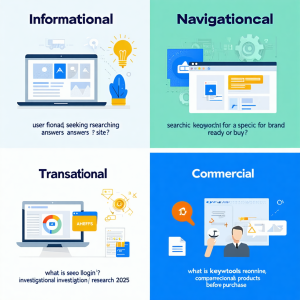
Google ranks content based on search intent
*Informational – Users want answers (e.g., “What is keyword research?”)
*Navigational – Looking for a specific brand/site (e.g., “Ahrefs login”).
*Transactional – Ready to buy (e.g., “buy SEO tools online”).
*Commercial Investigation – Comparing before purchase (e.g., “Best keyword tools 2025”).
Step 5: Check Keyword Metrics
Important keyword metrics to evaluate:
*Search Volume – Monthly searches for the keyword.
*Keyword Difficulty (KD) – How hard it is to rank.
*CPC (Cost Per Click) – Indicates commercial value.
*Trends – Seasonal or evergreen demand (use Google Trends).
Also, focus on low competition keywords and medium-high volume keywords
Step 6: Competitor analysis
Find what keywords your competitors rank for:
1. Enter competitor URLs into tools like SEMrush or Ahrefs..
2. Identify keyword gaps (keywords they rank for, but you don’t).
3. Create better, more in-depth content to outrank them.
Step 7: Organize Clusterse Keywords Into

Instead of targeting one keyword per post, create keyword clusters:
Example cluster: “Keyword Research”
*keyword research tools
*keyword research tools
*How to do keyword research
Step 8: Types of Keywords to Include
Short-Tail Keywords (1–2 words) – High volume, competitive.
Long-Tail Keywords (3+ words) – Easier to rank, more specific.
LSI Keywords (semantic terms) – Related phrases Google expects.
Branded Keywords – Contain brand names.
Geo-Targeted Keywords – Local SEO focus (e.g., “SEO agency Kathmandu”).
Question Keywords – “How, What, Why” queries (great for featured snippets).
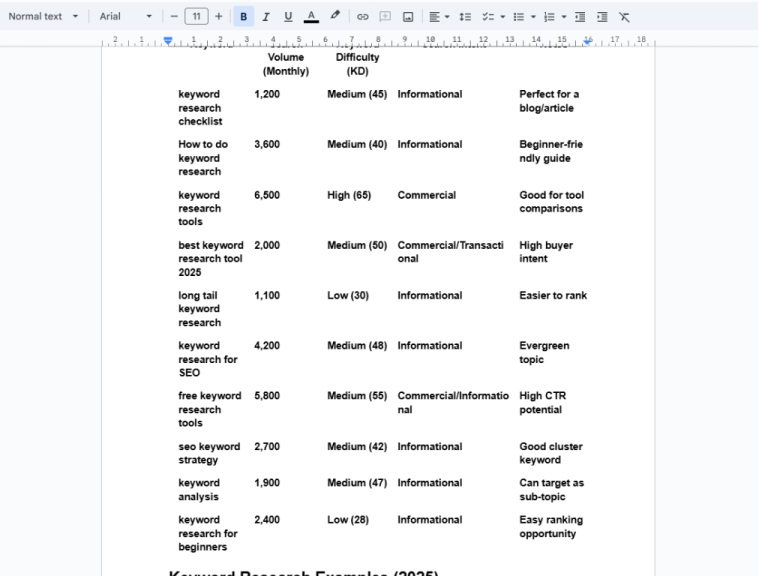
Step 9: Prioritize Keywords
Rank your keyword list by:
1. Relevance to your niche.
2. Search intent alignment.
3. Traffic potential.
4. Ranking difficulty.
Focus on keywords that are low competition + high intent for quick results.
Step 10: Apply Keywords Strategically