Author name: Madan Pun

SEO Blog

Ultimate Keyword Research Checklist / Beginner/ Pro

keyword Research checklist for BEginner and Expert.

Keyword research is the foundation of SEO. Without the right keywords, your content won’t reach the right audience. Whether you’re a beginner learning SEO basics or an expert refining advanced strategies, this keyword research checklist will help you find, organize, and optimize keywords that drive traffic and improve rankings.

Let’s dive into the step-by-step keyword research process, including types of keywords, tools, and best practices.

Step 1: Understand Your Audience

Before opening any keyword tool:
1. Who is your target audience?
2. What problems are they trying to solve?
3. What words do they use while searching online?

Step 2: Brainstorm Seed Keywords

Seed keywords are the basic terms related to your niche, e.g.
Niche: Digital Marketing
Seed Keywords: SEO, Keyword Research, Google Ranking. Also by using various types of paid Tools.

Step 3: Use Keyword Research Tools

For the beginner, the best and easiest way for keyword research tool is Google ChatGPT.
Also, you have searched on Google Trends. Here are the free and paid tools for keyword research :
1. Google Keyword Planner – Free, good for search volume.
2. Google Search Console – Find queries you already rank for.
3. AnswerThePublic – Great for question-based keywords.
4. Ubersuggest – Beginner-friendly keyword ideas.
5.Ahrefs / SEMrush – Best for experts (competitive analysis).
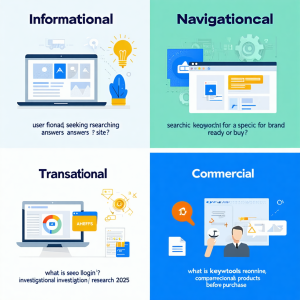
4 most Important search Intent

Google ranks content based on search intent
*Informational – Users want answers (e.g., “What is keyword research?”)
*Navigational – Looking for a specific brand/site (e.g., “Ahrefs login”).
*Transactional – Ready to buy (e.g., “buy SEO tools online”).
*Commercial Investigation – Comparing before purchase (e.g., “Best keyword tools 2025”).

Step 5: Check Keyword Metrics

Important keyword metrics to evaluate:
*Search Volume – Monthly searches for the keyword.
*Keyword Difficulty (KD) – How hard it is to rank.
*CPC (Cost Per Click) – Indicates commercial value.
*Trends – Seasonal or evergreen demand (use Google Trends).
Also, focus on low competition keywords and medium-high volume keywords

Step 6: Competitor analysis

Find what keywords your competitors rank for:
1. Enter competitor URLs into tools like SEMrush or Ahrefs..
2. Identify keyword gaps (keywords they rank for, but you don’t).
3. Create better, more in-depth content to outrank them.

Step 7: Organize Clusterse Keywords Into
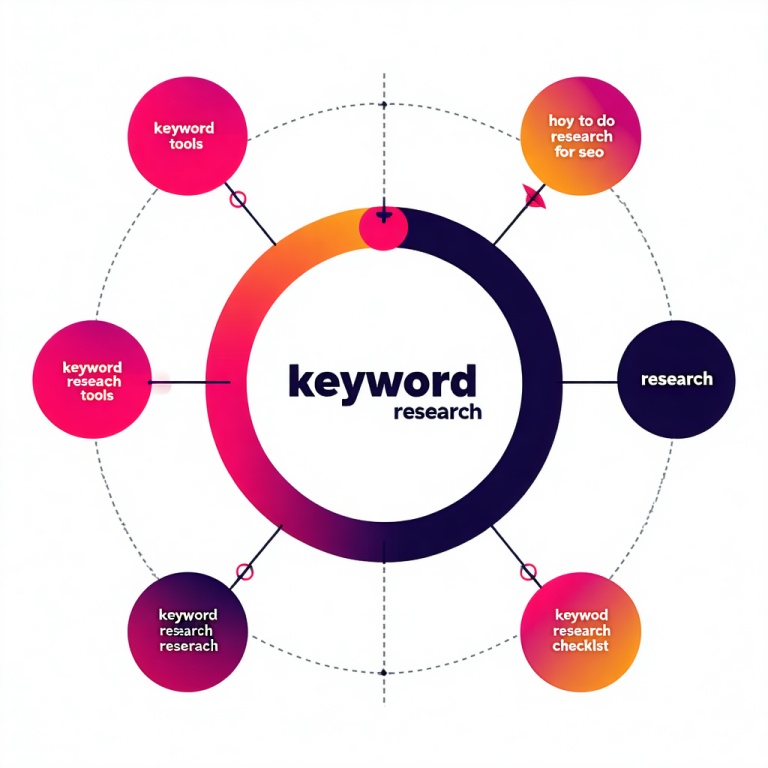
keyword research kluster

Instead of targeting one keyword per post, create keyword clusters:
Example cluster: “Keyword Research”
*keyword research tools
*How to do keyword research

Step 8: Types of Keywords to Include

Short-Tail Keywords (1–2 words) – High volume, competitive.
Long-Tail Keywords (3+ words) – Easier to rank, more specific.
LSI Keywords (semantic terms) – Related phrases Google expects.
Branded Keywords – Contain brand names.
Geo-Targeted Keywords – Local SEO focus (e.g., “SEO agency Kathmandu”).
Question Keywords – “How, What, Why” queries (great for featured snippets).
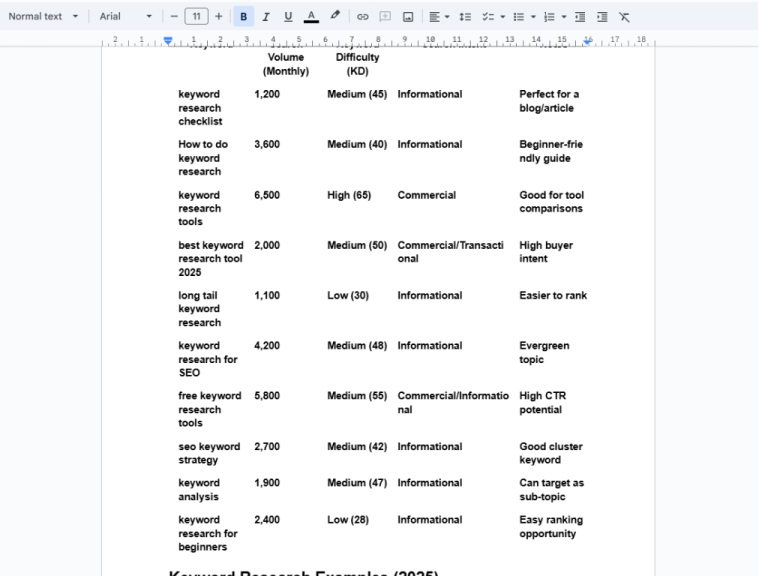
Step 9: Prioritize Keywords

Rank your keyword list by:
1. Relevance to your niche.
2. Search intent alignment.
3. Traffic potential.
4. Ranking difficulty.
Focus on keywords that are low competition + high intent for quick results.

Step 10: Apply Keywords Strategically
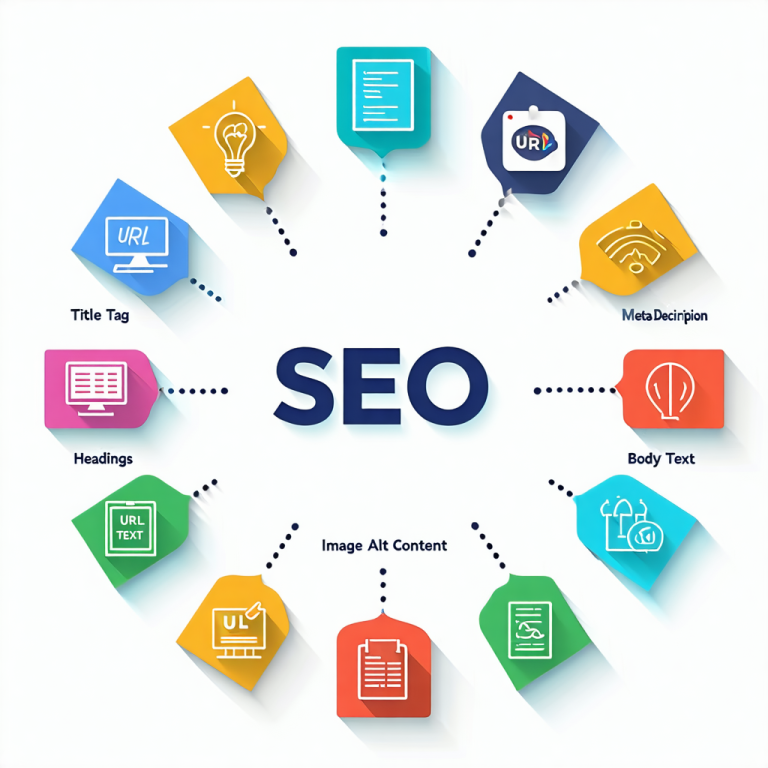
Use your selected keywords in:
*Title Tag (main keyword first) , Meta Description (must include focus keyword) , URL (short + keyword-rich) , Headings (H1, H2, H3) , Body Content (natural usage, avoid stuffing) , Image Alt Text and Internal Linking.

Step 11: Monitor & Update

Keyword research isn’t one-time. Track your keyword performance in:
, Google Search Console (impressions, clicks, CTR) , Analytics tools for organic traffic and Refresh content regularly to maintain rankings.

conclusion:

This keyword research checklist works for both beginners and experts. By understanding audience intent, analyzing competitors, clustering keywords, and optimizing strategically, you can consistently improve your Google rankings.

SEO Blog

Google SERP Features 2025/Top 10 Examples/How to Optimize

The Ranking on Google is no longer just about appearing in the top 10 blue links. The Search Engine Results Page (SERP) is now packed with rich features that can drive massive traffic—if you know how to optimize for them. From AI-powered answers to video carousels, Google’s SERP features are shaping how users interact with content.

what is SERP?

It is a search engine result page that you see after typing a query into a search engine like Google, Bing, or Yahoo.
On a SERP, you’ll usually find: Organic results (normal website links ranked by Google’s algorithm) Paid results (ads at the top or bottom) SERP Features like: Featured snippets (answer boxes) Knowledge panels (side information) Local pack (map results for nearby businesses) People Also Ask (related questions) Images, videos, news, shopping results, etc.

Why SERP Features Matter for SEO

In 2025, securing a spot on the first page of Google is no longer enough. With so many SERP features—like AI Overviews, Featured Snippets, Local Packs, and Video Carousels—Google is pulling more attention away from the traditional “blue links. Here’s why SERP features are critical for SEO:
Higher Visibility Better Click-Through Rates (CTR) Authority & Trust More Traffic Opportunities Voice Search Optimization Competitive Advantage.

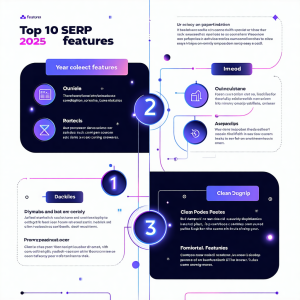
Top 10 SERP Features in 2025

10 SERP Feature in 2025

1. AI Overviews (Search Generative Experience – SGE) Google now provides AI-powered summaries right at the top of search results. These provide users with instant answers without requiring a click. How to Optimize? Write comprehensive, fact-based content. Use structured data (FAQ, HowTo schema). Include clear headings and step-by-step explanations.

2. Featured Snippets Known as “Position Zero”, featured snippets display short answers, lists, or tables directly on the SERP. How to Optimize: Answer questions in 40–60 words. Use bullet points, numbered lists, or table. Target question-based keywords.

3. People Also Ask (PAA)The PAA box shows expandable questions related to the search query. How to Optimize: Add FAQ sections to your blog. Use H2/H3 headings with questions. Provide concise, informative answers.

4. Local Pack (Google Maps Results) For local intent searches, Google shows a map with business listings, reviews, and directions. How to Optimize: Claim your Google Business Profile. Keep your NAP (Name, Address, Phone) consistent. Encourage positive customer reviews.

5. Videos—especially from YouTube and Shorts—are highlighted in a horizontal carousel. Create tutorials, reviews, and guides. Use SEO-friendly titles and descriptions. Add timestamps (chapters) for easy navigation.

6. Image Packs When a query is visual, Google shows an image pack at the top of the results. Upload original, high-quality images. Add descriptive file names and alt text. Submit an image sitemap to Google.

7. Knowledge Panels These panels show quick facts about businesses, people, or topics. Use schema markup to define your brand. Wikidata and social profiles. Keep your brand information consistent across the web.

8. Reviews & Star Ratings Products, recipes, and services with star ratings stand out in search results. over breaking news in your niche Submit your site to Google News Publisher Center. Use structured data for articles.

9. Top Stories: Google highlights fresh and trending news articles. Cover breaking news in your niche. Use structured data for articles.

10. Sitelinks Google sometimes shows extra links below your main result, helping users navigate directly to key pages.

How to Optimize for SERP Features

Optimizing for SERP features is not the same as traditional SEO. Instead of just focusing on rankings, you need to make your content structured, clear, and user-focused so Google can easily feature it. Here are some proven strategies: Use Structured Data (Schema Markup) 1. Answer Questions Directly. 2. Improve Content Quality. 3. Focus on Search Intent. 4. Optimize for Local & Mobile 5. Create Video & Visual Content 6. Build Authority & Trust.

conclusion:

Google’s SERP (Search Engine Results Page) is no longer just a list of links—it’s a dynamic space filled with AI answers, snippets, videos, images, and local results. In 2025, success in SEO means understanding how these SERP features work and optimizing your content to appear in them. By focusing on structured content, user intent, and modern SEO practices, you can increase visibility, build authority, and drive more traffic—even without holding the #1 organic spot.

Scroll to Top